Energy efficiency in process industries has become one of the most important focus areas for plant owners, production heads, and operations managers across India.
Industries such as pharmaceutical manufacturing, chemicals, petrochemicals, cement, steel, food processing, paper & pulp, and API production operate energy-intensive facilities. Rising fuel prices, strict environmental norms, and competitive pressure are pushing companies to optimize energy consumption across their plants.
Today, reducing energy usage is not just about cost-saving; it is about improving overall process performance, sustainability, and profitability.
Energy efficiency in process industries is no longer just a sustainability initiative; it is a direct driver of profitability. Industries such as pharmaceuticals, chemicals, petrochemicals, cement, steel, food processing, and paper manufacturing operate energy-intensive plants where even minor inefficiencies lead to significant financial loss.
With rising fuel costs and strict environmental regulations, plant heads and operations managers are prioritizing energy optimization across manufacturing facilities.
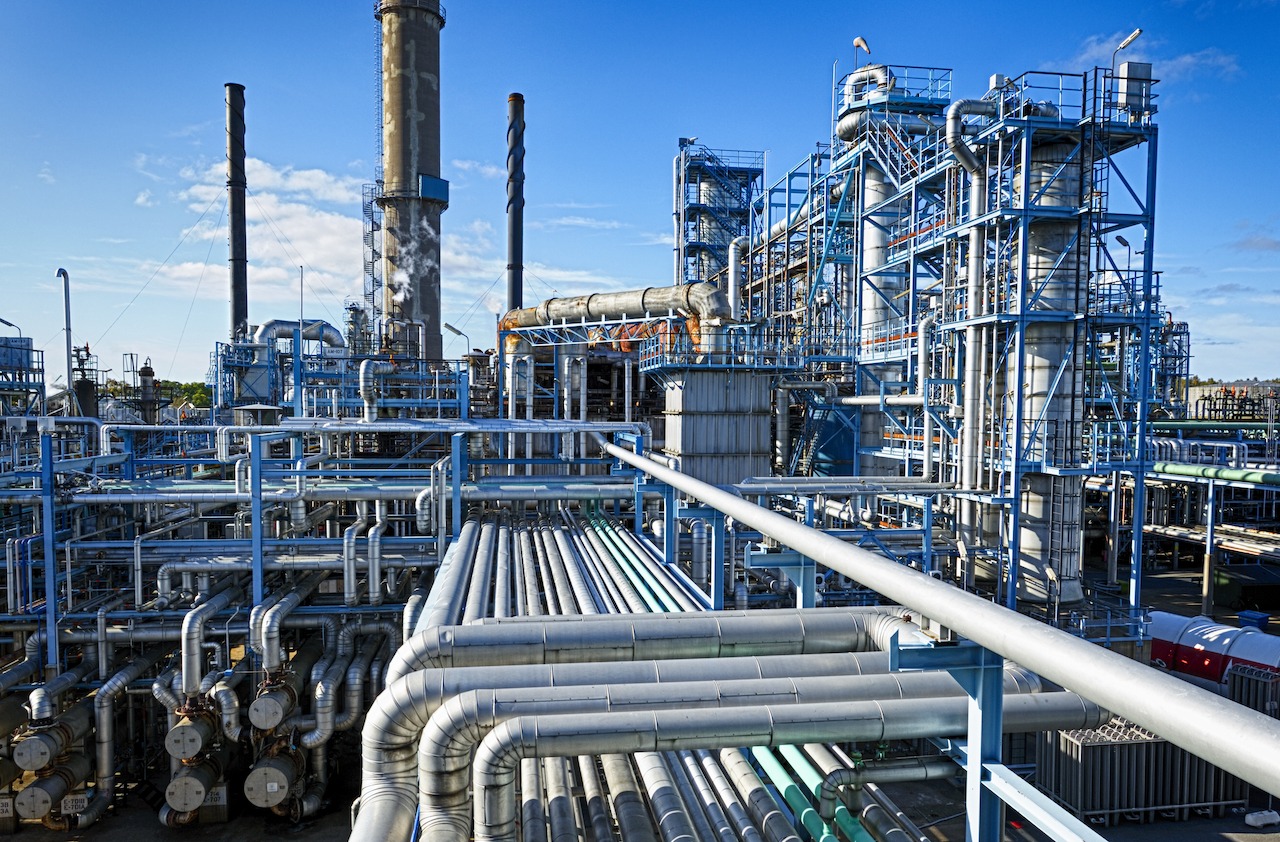
Where Process Plants Lose Energy
Most process manufacturing units face similar challenges:
- High fuel consumption in boilers
- Steam leakage in distribution networks
- Inefficient pumps and motors
- Heat loss due to poor insulation
- Unutilized waste heat from exhaust systems
These inefficiencies silently increase operational expenses year after year. A small improvement of 3–5% in plant-wide energy efficiency can translate into substantial annual savings for large industrial facilities.
High-Impact Energy Optimization Solutions
Modern process plants are investing in:
High-efficiency boilers with advanced combustion control to reduce fuel usage.
Waste heat recovery systems to capture exhaust heat and convert it into usable energy.
Energy-efficient pumps and motors that reduce electricity consumption without compromising output.
Steam system optimization, including smart steam traps and condensate recovery.
Real-time energy monitoring systems for tracking consumption and improving decision-making. These technologies not only lower costs but also improve process stability and equipment lifespan. At the previous edition of IPEC, Energy Process and Mechanical Process technologies were among the major exhibiting categories, reflecting strong industry demand. With thousands of visitors and buyers from key manufacturing sectors, it is clear that energy-efficient solutions are a growing priority in India’s process industries.
The Road Ahead
The future of energy management in process industries lies in integrated systems, predictive analytics, and sustainable operations. Companies that invest in energy-efficient technologies today will gain a competitive advantage through reduced costs, improved compliance, and enhanced operational reliability.
Energy efficiency is not just about saving power; it is about building smarter, more resilient manufacturing plants for the future.