



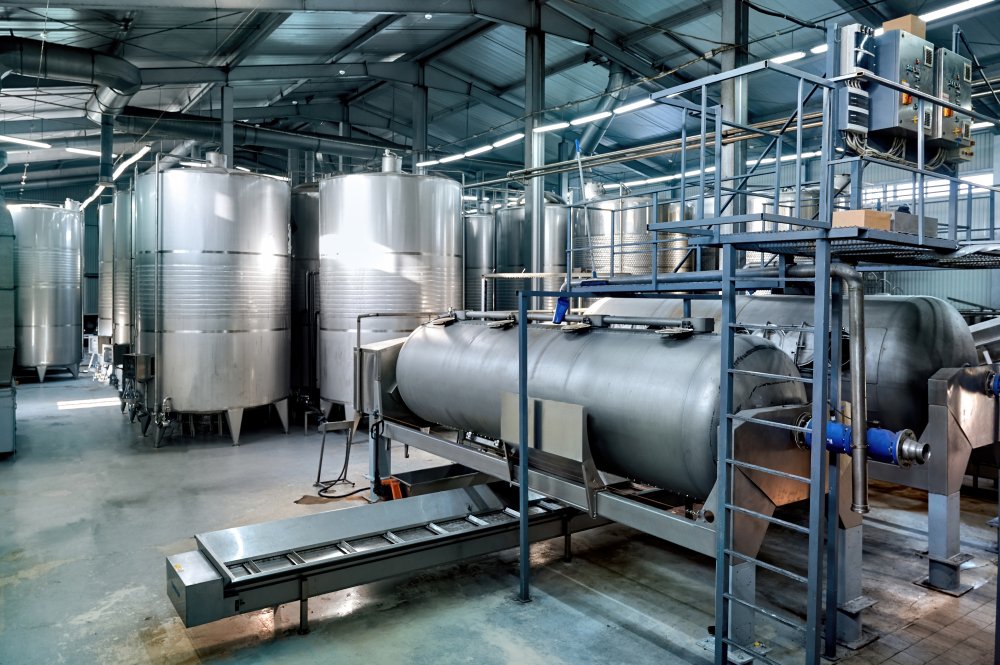
Industrial reactors are the core equipment in chemical and petrochemical manufacturing. They provide a controlled environment where chemical reactions occur to convert raw materials into valuable products. Efficient industrial reactor design is essential for ensuring process safety, maximizing productivity, and enabling scalable production.
Industries such as petrochemicals, pharmaceuticals, fertilizers, polymers, and specialty chemicals rely on industrial reactors to maintain consistent product quality and operational efficiency.
Types of Industrial Reactors
Different processes require different reactor configurations. Common types of industrial reactors used in chemical processing include:
- Batch Reactors – Ideal for small-scale or flexible production processes.
- Continuous Stirred Tank Reactors (CSTR) – Used for continuous operations requiring constant mixing.
- Plug Flow Reactors (PFR) – Suitable for high conversion efficiency in continuous processes.
- Fluidized Bed Reactors – Common in catalytic and petrochemical applications.
The selection of reactor type depends on reaction kinetics, production scale, and process requirements.
Key Design Considerations
- Proper industrial reactor design involves multiple technical and safety factors:
- Reaction Kinetics: Understanding reaction rates and mechanisms helps determine the correct reactor size, operating temperature, and pressure.
- Temperature and Pressure Control: Many reactions release or absorb heat. Efficient heat transfer systems such as cooling jackets and heat exchangers help maintain stable operating conditions.
- Mixing Efficiency: Proper mixing ensures uniform distribution of reactants, improving reaction rates and product quality while reducing unwanted by-products.
- Material Selection: Reactors must withstand high temperatures, pressure, and corrosive chemicals. Materials such as stainless steel and specialized alloys are commonly used to ensure durability.
- Safety Systems: Industrial reactors include safety features like pressure relief valves, sensors, and automated shutdown systems to prevent accidents and ensure safe operation.
Scalability in Industrial Production
Scaling up production from laboratory to industrial scale is a critical challenge in chemical engineering. Industrial reactors must maintain the same efficiency and product quality even when production volumes increase.
Advanced process modeling and simulation tools help engineers design reactors that support safe and scalable chemical manufacturing.
Industrial reactors play a vital role in modern chemical and petrochemical processing. With proper design focused on safety, efficiency, and scalability, industries can achieve reliable production, improved yield, and long-term operational stability.