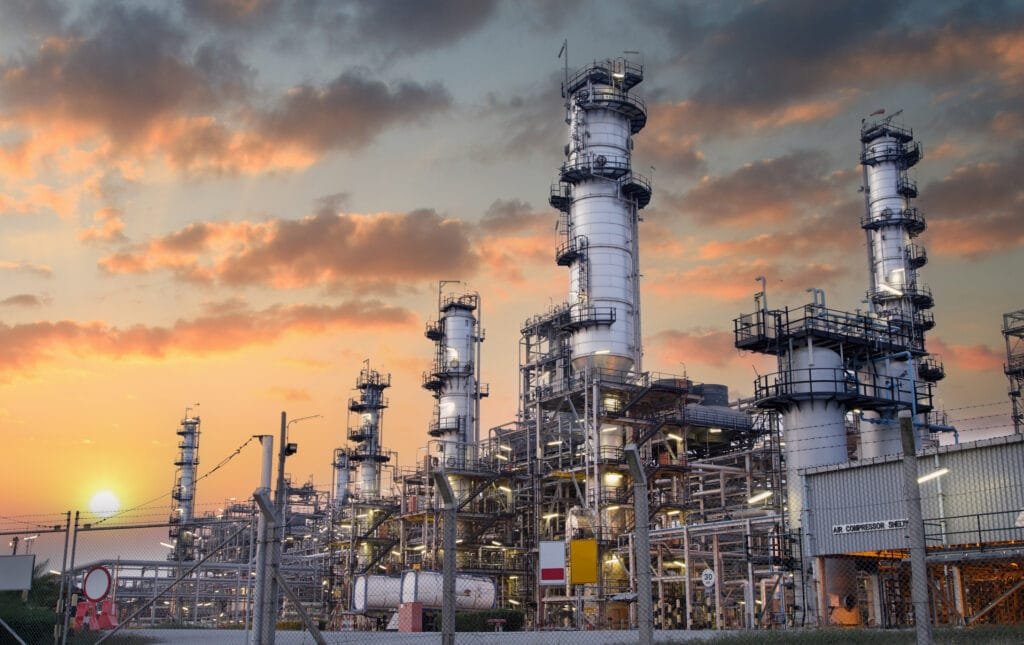
In the dynamic world of chemical and petrochemical processing, catalysts play a transformative role in enhancing productivity, reducing operational costs, and improving sustainability. From refineries to specialty chemical plants, catalysts are the backbone of modern process industries. By accelerating chemical reactions without being consumed, catalysts in chemical & petrochemical processing help manufacturers achieve higher yield, better selectivity, and superior energy efficiency.
What Are Catalysts in Chemical & Petrochemical Processing?
Catalysts are substances that increase the rate of a chemical reaction while remaining chemically unchanged at the end of the process. In large-scale industrial operations such as petroleum refining, polymer production, and fertilizer manufacturing, catalysts are essential for ensuring optimal reaction conditions.
In petrochemical processing, catalysts are widely used in cracking, reforming, hydrotreating, and polymerization processes. In chemical manufacturing, they support oxidation, hydrogenation, alkylation, and other key reactions. Without catalysts in chemical & petrochemical processing, many industrial reactions would be too slow, energy-intensive, or economically unviable.
Improving Yield Through Advanced Catalysis
One of the primary advantages of catalysts in chemical & petrochemical processing is improved product yield. Catalysts enhance reaction pathways, ensuring that a higher proportion of raw materials is converted into desired end products. This reduces waste generation and maximizes resource utilization.
For example, in fluid catalytic cracking (FCC) units, catalysts help break down heavy hydrocarbons into valuable lighter fuels such as gasoline and diesel. Similarly, in ammonia and methanol production, catalysts significantly improve conversion rates, enabling plants to meet high production targets efficiently.
By optimizing reaction conditions, modern catalyst technologies enable industries to achieve consistent quality and higher throughput, making them critical to competitive manufacturing.
Enhancing Energy Efficiency and Cost Optimization
Energy consumption is a major concern in chemical and petrochemical plants. Catalysts in chemical & petrochemical processing lower the activation energy required for reactions, allowing processes to occur at lower temperatures and pressures. This directly translates into reduced energy usage and lower operational costs.
Improved efficiency also minimizes equipment wear and reduces downtime, contributing to long-term cost savings. In addition, advanced catalysts with longer lifespans reduce replacement frequency and maintenance expenses.
Supporting Sustainability and Environmental Compliance
Sustainability has become a top priority in the process industry. Catalysts contribute to cleaner production by reducing emissions and enabling more environmentally friendly processes. For instance, hydroprocessing catalysts help remove sulfur and other impurities from fuels, ensuring compliance with stringent environmental regulations.
Green chemistry initiatives increasingly rely on innovative catalysts to reduce hazardous by-products and improve atom economy. As industries move toward low-carbon and energy-efficient operations, catalysts in chemical & petrochemical processing will remain central to achieving these goals.
The Future of Catalysts in Process Industries
With ongoing advancements in nanotechnology, material science, and process intensification, the next generation of catalysts promises even greater efficiency and selectivity. Industries investing in advanced catalyst solutions can expect improved yield, optimized performance, and stronger sustainability outcomes.
In conclusion, catalysts in chemical & petrochemical processing are indispensable for improving yield and efficiency. They not only enhance productivity but also drive cost savings and environmental responsibility, making them a strategic asset for modern process industries.