Manufacturing is entering a new era. As industries face increasing pressure to improve efficiency, reduce costs, enhance product quality, and meet sustainability goals, industrial automation is becoming the backbone of modern manufacturing operations. In 2026, automation is no longer just about replacing manual tasks—it is about creating smarter, faster, and more connected production environments.
Here are the top industrial automation trends transforming manufacturing in 2026.
1. Artificial Intelligence-Powered Automation
Artificial Intelligence (AI) is rapidly becoming a game-changer in manufacturing. AI-driven systems can analyze vast amounts of production data, identify patterns, predict equipment failures, and optimize workflows in real time. Manufacturers are increasingly using AI to improve decision-making, minimize downtime, and enhance overall operational efficiency.
2. Industrial Internet of Things (IIoT)
The Industrial Internet of Things continues to reshape manufacturing facilities. Connected sensors, machines, and devices collect and share real-time data across production lines. This connectivity enables manufacturers to monitor equipment performance, track production metrics, and make data-driven decisions that improve productivity and reduce waste.
3. Predictive Maintenance
Traditional maintenance methods are being replaced by predictive maintenance solutions. By leveraging sensors, automation systems, and analytics tools, manufacturers can detect potential equipment issues before they result in costly breakdowns. This approach reduces downtime, extends equipment lifespan, and lowers maintenance costs.
4. Smart Robotics and Collaborative Robots
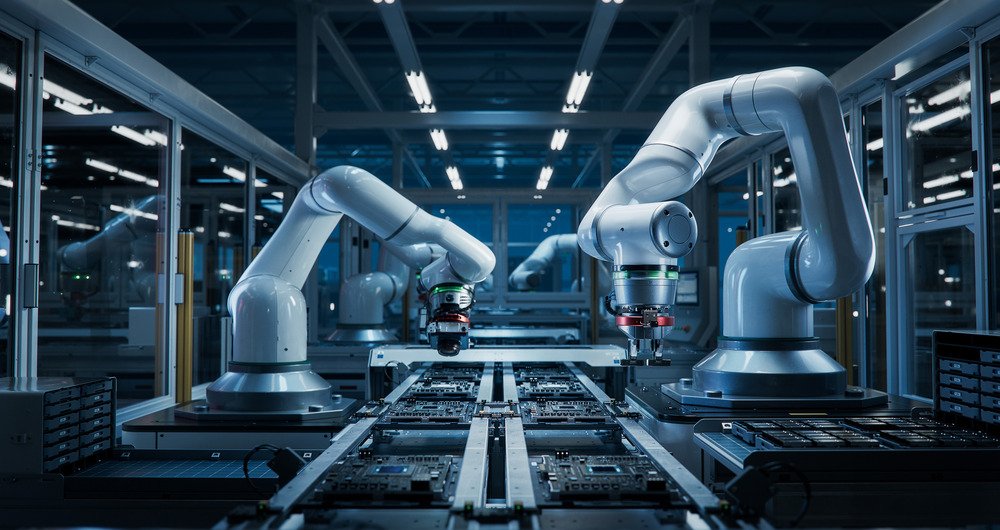
Robots are becoming more intelligent, flexible, and easier to integrate into manufacturing processes. Collaborative robots, or cobots, are designed to work safely alongside human operators, improving productivity while maintaining workplace safety. In 2026, manufacturers are increasingly adopting robotic automation for assembly, packaging, material handling, and quality inspection.
5. Digital Twin Technology
Digital twins are virtual replicas of physical machines, production lines, or entire facilities. These digital models allow manufacturers to simulate operations, test process improvements, and identify inefficiencies before implementing changes in the real world. Digital twin technology is helping businesses reduce risks and optimize performance.
6. Enhanced Cybersecurity for Industrial Systems
As manufacturing facilities become more connected, cybersecurity is emerging as a critical priority. Companies are investing in advanced security measures to protect industrial control systems, production data, and connected devices from cyber threats and operational disruptions.
Looking Ahead
The future of manufacturing is intelligent, connected, and highly automated. Technologies such as AI, IIoT, robotics, predictive maintenance, and digital twins are enabling manufacturers to achieve unprecedented levels of efficiency and innovation.
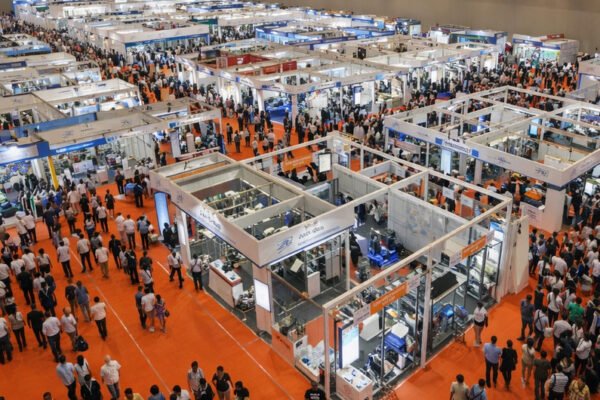
As these advancements continue to reshape the industrial landscape, platforms like India Process Expo & Conference (IPEC) 2026, scheduled from 30th July to 1st August 2026 at HITEX, Hyderabad, will provide industry professionals with an opportunity to explore cutting-edge automation technologies, connect with solution providers, and gain insights into the future of process manufacturing. The event will bring together experts, innovators, and decision-makers driving the next wave of industrial transformation across India’s process industries.