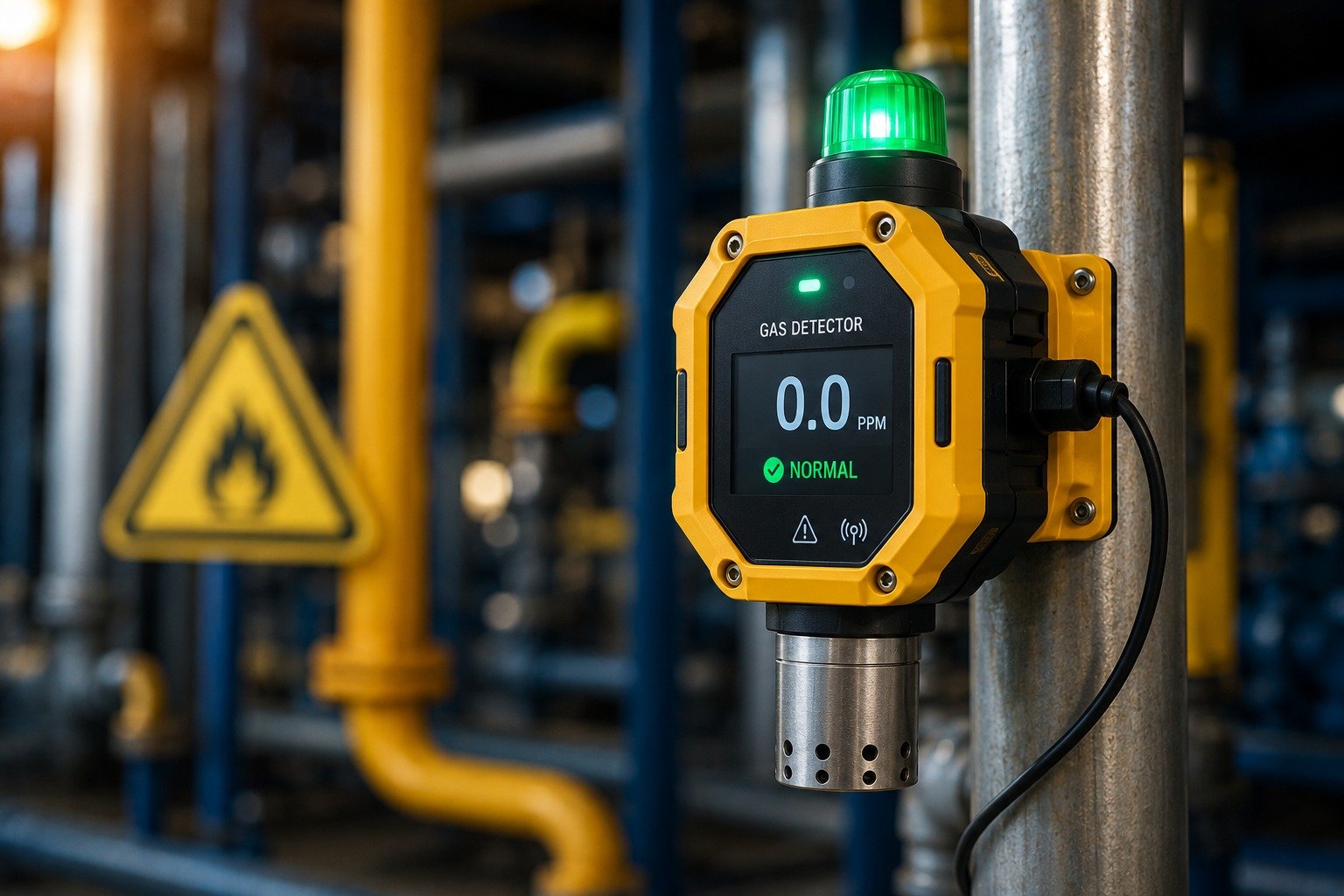
Industrial environments are becoming smarter, more connected, and increasingly focused on proactive safety measures. From chemical processing units to manufacturing facilities, organizations are investing in technologies that help prevent accidents before they happen. Among these innovations, the gas leak detector has evolved from a basic warning device into an intelligent safety solution capable of real-time monitoring and rapid response.
Smart gas leak detectors are transforming the way industries manage hazardous gases, protecting employees, assets, and operations more effectively than ever before.
The Evolution of Gas Leak Detection
Traditional gas detection systems were designed to identify the presence of hazardous gases and trigger alarms when concentrations exceeded safe limits. While effective, these systems often relied on manual inspections, periodic checks, and limited communication capabilities.
Today’s smart gas leak detectors go far beyond simple alerts. Equipped with advanced sensors, wireless connectivity, and intelligent analytics, they provide continuous monitoring and actionable insights that help industries respond quickly to potential threats.
What Makes a Gas Leak Detector “Smart”?
A smart gas leak detector combines gas sensing technology with digital capabilities that enhance detection accuracy and operational efficiency.
Some of the key features include:
- Real-time monitoring: Continuous tracking of gas levels throughout the facility.
- Remote accessibility: Safety teams can monitor conditions from centralized control rooms or mobile devices.
- Instant notifications: Alerts are sent immediately when abnormal gas concentrations are detected.
- Data logging and reporting: Historical records help identify trends and support compliance requirements.
- Integration with industrial systems: Smart detectors can communicate with alarms, ventilation systems, and emergency shutdown mechanisms.
- Predictive maintenance capabilities: System diagnostics help identify sensor issues before failures occur.
These capabilities allow organizations to shift from reactive responses to preventive safety management.
Improving Worker Safety
Employee safety remains one of the primary reasons industries invest in gas detection technology. Hazardous gases such as methane, hydrogen sulfide, ammonia, chlorine, and carbon monoxide can pose serious health risks if left undetected.
Smart gas leak detectors reduce exposure by identifying leaks at their earliest stages. Workers receive timely warnings, enabling them to evacuate affected areas or take corrective action before conditions become dangerous.
This early intervention significantly lowers the likelihood of injuries, health complications, and fatal incidents.
Faster Emergency Response
In emergency situations, every second matters.
Traditional systems may only sound an on-site alarm, requiring personnel to assess the situation manually. Smart detectors, on the other hand, can immediately alert supervisors, safety personnel, and emergency responders through connected systems.
Automated responses may include:
- Activating ventilation systems.
- Shutting down equipment.
- Isolating affected zones.
- Triggering facility-wide evacuation protocols.
The ability to coordinate these actions quickly minimizes damage and helps maintain control during critical events.
Supporting Regulatory Compliance
Industries operating in sectors such as oil and gas, chemicals, pharmaceuticals, food processing, and manufacturing must comply with stringent safety standards.
Smart gas leak detectors simplify compliance by automatically recording detection events, maintenance activities, and calibration histories. Detailed reports provide documented evidence during audits and inspections.
This digital approach reduces administrative burden while helping organizations demonstrate their commitment to workplace safety.
Enhancing Operational Efficiency
Unexpected shutdowns caused by gas-related incidents can disrupt production schedules and lead to substantial financial losses.
By continuously monitoring gas conditions, smart detection systems help identify small leaks before they escalate into major problems. Maintenance teams can address issues proactively, reducing downtime and avoiding costly repairs.
The insights generated through these systems also support better decision-making regarding equipment maintenance and resource allocation.
Industries Leading the Adoption
The adoption of smart gas leak detectors is growing rapidly across multiple sectors, including:
- Oil and gas facilities.
- Chemical processing plants.
- Pharmaceutical manufacturing units.
- Food and beverage industries.
- Wastewater treatment facilities.
- Mining operations.
- Power generation plants.
- Warehousing and storage facilities.
As industrial processes become increasingly automated, the demand for intelligent safety technologies continues to rise.
The Future of Industrial Gas Detection
The future of gas detection lies in greater connectivity and intelligence. Artificial intelligence, cloud-based monitoring, and advanced analytics are anticipated to further strengthen the capabilities of smart detection systems.
Organizations will increasingly use these technologies not only to detect hazards but also to predict risks, optimize maintenance schedules, and strengthen overall safety strategies.
Rather than simply reacting to emergencies, industries are moving toward creating safer environments through continuous awareness and proactive intervention.
Conclusion
Industrial safety is no longer limited to alarms and emergency procedures. Modern workplaces require intelligent systems that can anticipate risks and enable faster decision-making.
A smart gas leak detector provides exactly that. Through real-time monitoring, automated alerts, predictive insights, and seamless integration with existing safety infrastructure, these advanced solutions are helping industries protect their people and operations more effectively.
As businesses continue embracing digital transformation, investing in smarter gas detection technologies is becoming less of an option and more of a necessity. The result is a safer, more resilient industrial environment where potential hazards are identified early and managed with confidence.