


Why Gas Detection Systems Are Essential for Modern Industrial Safety
Industrial safety has become a top priority for businesses across sectors such as oil and gas, manufacturing, chemicals, pharmaceuticals, mining, and wastewater treatment. As industrial operations become more advanced and large-scale, the risks associated with hazardous gases also increase. Even a small gas leak can lead to serious accidents, health hazards, operational downtime, or environmental damage.
This is why gas detection systems are now considered an essential part of modern industrial safety. These systems help industries detect dangerous gases early, protect workers, and maintain safe working conditions at all times. Companies like Gasvigil Technologies Private Limited are contributing to industrial safety by providing advanced gas leak detection and monitoring solutions for multiple industries.
What Are Gas Detection Systems?
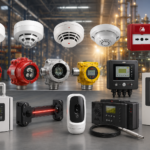
Gas detection systems are safety devices designed to identify the presence of harmful gases in industrial environments. They continuously monitor the air and trigger alerts when gas levels exceed safe limits.
These systems can detect:
- Toxic gases like carbon monoxide and hydrogen sulfide
- Flammable gases like methane and propane
- Oxygen deficiency or enrichment
- Harmful chemical vapors and volatile compounds
Gas detection systems are available in two major types:
- Fixed Gas Detection Systems – Installed permanently for continuous monitoring
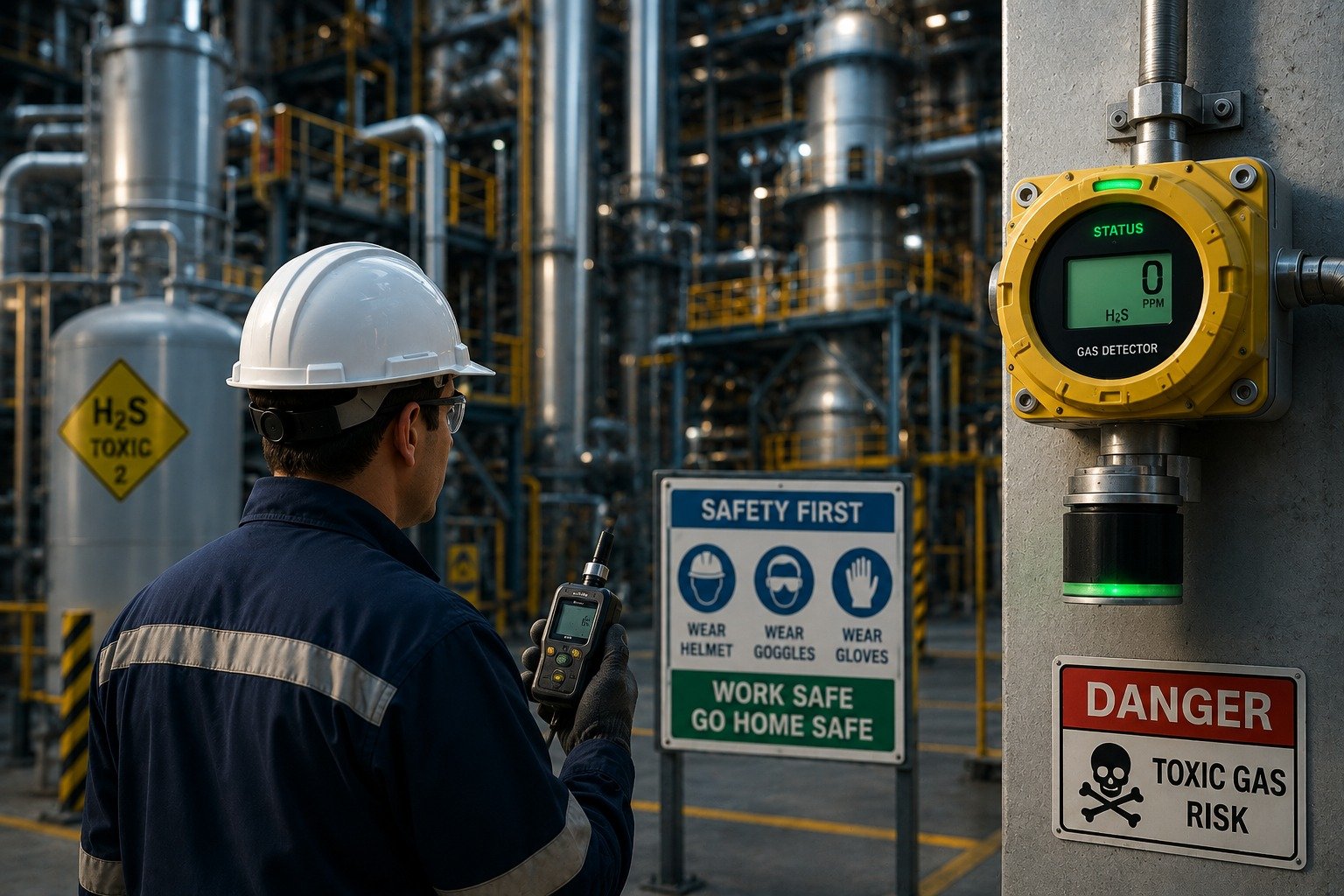
- Portable Gas Detectors – Handheld devices used by workers in confined or high-risk areas
Both types play an important role in preventing industrial accidents and improving workplace safety.
Protecting Workers from Invisible Hazards
One of the most serious hazards of industrial gases is their lack of visibility and smell. Workers may not realize they are being exposed until symptoms appear. Toxic gas exposure can cause breathing problems, dizziness, unconsciousness, or even fatalities.
Gas detection systems provide real-time monitoring and immediate alerts when gas concentrations become dangerous. Audible alarms, flashing lights, and automatic notifications help workers respond quickly and safely.
In industries where employees work in confined spaces such as tanks, pipelines, underground facilities, or storage units, gas monitoring becomes even more critical. Oxygen levels can change rapidly, making continuous detection necessary for worker protection.
Preventing Fires and Explosions
Many industrial gases are highly flammable. A small leak combined with heat, sparks, or electrical equipment can result in fires or explosions. These incidents not only threaten lives but also cause severe damage to machinery, infrastructure, and production facilities.
Gas detection systems continuously monitor combustible gas levels and warn operators before the gas reaches explosive concentrations. Early detection allows industries to take immediate preventive actions such as:
- Shutting down equipment
- Activating ventilation systems
- Evacuating workers
- Isolating hazardous areas
Industries like oil refineries, chemical plants, fuel storage facilities, and manufacturing units heavily depend on gas detection systems to maintain safe operations.
Supporting Industrial Compliance
Safety regulations and environmental standards are becoming stricter across industries. Regulatory authorities require businesses to implement proper gas monitoring systems to ensure worker safety and environmental protection.
Installing gas detection systems helps industries comply with safety standards related to:
- Occupational health and workplace safety
- Hazardous area monitoring
- Fire prevention measures
- Environmental emissions control
Compliance not only helps avoid penalties and legal issues but also improves a company’s reputation for maintaining responsible and safe operations.
Reducing Downtime and Operational Risks
Unexpected gas leaks can interrupt production, damage equipment, and lead to costly shutdowns. In large industrial facilities, even a short operational stoppage can result in major financial losses.
Modern gas detection systems help reduce these risks by identifying problems early. Many advanced systems can also integrate with industrial automation and safety controls. For example, when dangerous gas levels are detected, the system can automatically activate exhaust fans, emergency shutdown procedures, or ventilation systems.
This fast response reduces damage and enables industries to maintain uninterrupted operations.
The Rise of Smart Gas Detection Systems
Technology is rapidly improving industrial safety systems. Today’s gas detection solutions are smarter, faster, and more connected than traditional monitoring devices.
Modern systems now include features such as:
Wireless Monitoring
Wireless gas detectors allow flexible installation across large industrial sites without extensive wiring.
Real-Time Alerts
Operators can receive instant notifications through mobile devices, control rooms, or cloud-based platforms.
IoT Integration
Internet of Things (IoT) technology enables centralized monitoring, data collection, and predictive maintenance.
Data Analytics
Advanced analytics help industries identify patterns, improve safety planning, and reduce future risks.
Manufacturers like Gasvigil Technologies Private Limited are enabling industries to implement advanced gas safety solutions through smart gas detection systems built for continuous monitoring and rapid emergency response.
Industries That Rely on Gas Detection Systems
Gas detection systems are widely used across multiple industries, including:
Oil and Gas
Monitoring combustible gases during drilling, refining, and storage operations.
Chemical Manufacturing
Detecting hazardous chemical leaks and protecting workers from toxic exposure.
Wastewater Treatment
Monitoring methane and hydrogen sulfide in confined spaces.
Mining
Ensuring safe oxygen levels and detecting toxic underground gases.
Food and Beverage
Managing refrigeration gases like ammonia safely.
Pharmaceuticals
Maintaining controlled and safe manufacturing environments.
Each industry has different safety requirements, making proper gas detection solutions essential for smooth operations.
Conclusion
Industrial environments contain several hidden risks, and hazardous gases remain one of the most serious threats to worker safety and operational stability. Gas detection systems help industries identify these dangers early, prevent accidents, and create safer workplaces.
From protecting employees and preventing explosions to supporting compliance and reducing downtime, these systems have become a critical investment for modern industries. As industrial operations continue to evolve, advanced gas detection technology will play an even bigger role in ensuring safety, efficiency, and long-term reliability.Companies like Gasvigil Technologies Private Limited continue to support industries with reliable gas leak detection systems, portable gas detectors, and smart industrial safety solutions that help organizations maintain safer and more efficient operations.