


Role of Vibro Sifters in Recycling and Fine Material Separation
Recycling has become a cornerstone of modern manufacturing as industries strive to reduce waste, conserve natural resources, and improve production efficiency. However, the success of any recycling process depends on one critical factor—how effectively materials are separated before they are reused. Mixed particle sizes, dust, and contaminants can reduce the quality of recycled materials, making precise screening an essential step in the production cycle.
A vibro sifter is one of the most effective solutions for achieving accurate material separation. It enables manufacturers to classify materials by particle size, remove unwanted impurities, and improve the quality of recycled products. Whether processing plastic flakes, metal powders, minerals, chemicals, or food ingredients, industries rely on efficient screening systems to ensure consistency and optimize resource utilization.
The Importance of Fine Material Separation
Every recycling process aims to recover the highest possible amount of usable material. However, recyclable materials often contain oversized particles, fine dust, and foreign contaminants that can interfere with downstream manufacturing processes. Without proper separation, these impurities can lead to inconsistent product quality, increased machine wear, and higher production costs.
Fine material separation ensures that only particles meeting the required specifications move forward in the production process. This not only improves product quality but also reduces waste, minimizes rework, and enhances operational efficiency.
By delivering accurate particle classification, a vibro sifter helps manufacturers maintain quality standards while maximizing the value of recovered materials.
How a Vibro Sifter Machine Works
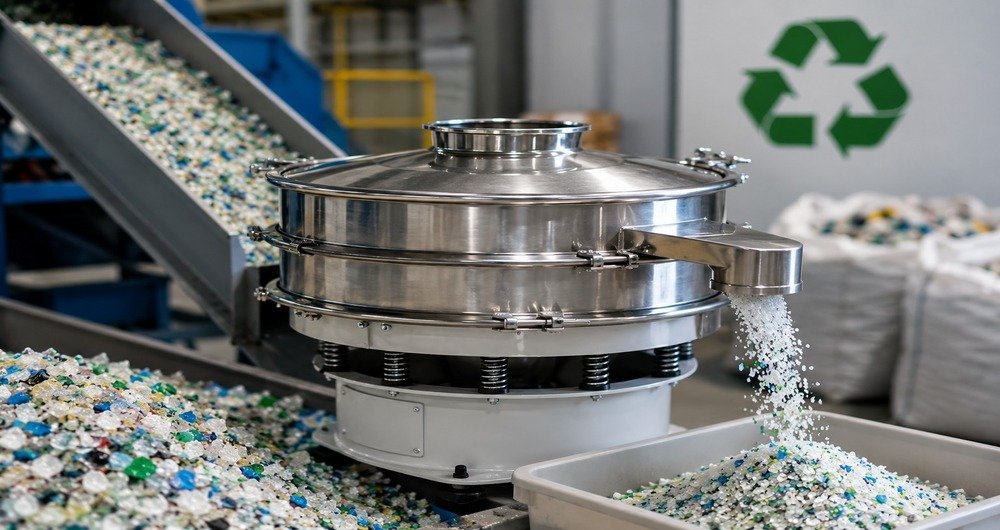
A vibro sifter machine uses controlled vibration to separate materials according to their particle size. During operation, materials are evenly distributed across a circular screen, allowing finer particles to pass through the mesh while larger particles remain on the surface for further processing.
The efficiency of the separation process depends largely on the vibro sifter sieve, which is selected based on the material being processed and the desired particle size. Different mesh sizes allow manufacturers to achieve precise grading for a wide range of industrial applications.
Compared to conventional screening methods, vibro sifters offer higher screening accuracy, continuous operation, reduced material loss, and lower maintenance requirements, making them an ideal solution for modern recycling facilities.
Applications Across Recycling Industries
The versatility of a vibro sifter machine makes it suitable for numerous recycling and material processing applications.
Plastic Recycling
Plastic recycling facilities use vibro sifters to remove dust, oversized flakes, and unwanted contaminants before extrusion and pelletizing. This improves the quality of recycled plastic and helps produce more consistent finished products.
Metal Powder Recovery
Manufacturers involved in powder metallurgy and additive manufacturing recover valuable metal powders through precision screening. Accurate particle separation allows reusable powders to be returned to production, reducing material costs and improving resource efficiency.
Glass Recycling
Uniform particle size is essential for producing high-quality recycled glass. A vibro sifter helps remove impurities and ensures consistent grading before the material is reused.
Battery Material Recycling
The growing demand for electric vehicles has increased the need for efficient battery recycling. Precision screening enables the recovery of valuable materials such as graphite and lithium compounds while minimizing contamination.
Chemical and Mineral Processing
Industries handling industrial powders, pigments, minerals, and specialty chemicals depend on accurate particle classification to maintain product consistency and improve process efficiency.
Benefits of Using a Vibro Sifter
Installing a vibro sifter offers benefits that extend well beyond material separation.
Some of the key advantages include:
- Improved recovery of reusable materials
- Consistent particle size for better product quality
- Reduced material waste
- Lower maintenance costs
- Enhanced protection for downstream equipment
- Increased production efficiency
- Better utilization of raw materials
- Support for sustainable manufacturing practices
These advantages help manufacturers improve productivity while reducing operational costs and environmental impact.
Choosing the Right Vibro Sifter Sieve
Selecting the correct vibro sifter sieve is essential for achieving the desired screening results. The ideal mesh size depends on factors such as particle size requirements, material characteristics, production capacity, moisture content, and the level of separation required.
Using the appropriate sieve improves screening accuracy, reduces downtime, and extends the service life of the equipment. Regular inspection and maintenance of the screening mesh also help maintain consistent performance over time.
Selecting the Right Vibro Sifter Machine
Choosing the right vibro sifter machine involves more than simply considering production capacity. Manufacturers should evaluate several factors to ensure the equipment meets both current and future operational requirements.
Important considerations include:
- Material type and application
- Required screening capacity
- Number of screening decks
- Machine construction material
- Ease of maintenance
- Energy efficiency
- Automation compatibility
- Availability of technical support
Investing in the right equipment helps improve operational reliability while reducing long-term production costs.
The Future of Recycling and Material Separation
As industries continue to adopt sustainable manufacturing practices, demand for advanced screening technologies is expected to grow. Modern vibro sifters are being designed with improved energy efficiency, automated controls, vibration monitoring, and enhanced screening accuracy to meet the evolving needs of industrial processing.
These innovations not only improve productivity but also contribute to resource conservation by increasing material recovery and reducing waste. As recycling becomes an integral part of manufacturing, precision screening will continue to play a vital role in supporting efficient and environmentally responsible production.
Conclusion
The growing focus on sustainability has made efficient material separation a key requirement across recycling and manufacturing industries. A vibro sifter helps businesses achieve cleaner materials, higher recovery rates, and consistent product quality, while a well-designed vibro sifter machine equipped with the right vibro sifter sieve ensures reliable performance across a wide range of applications.
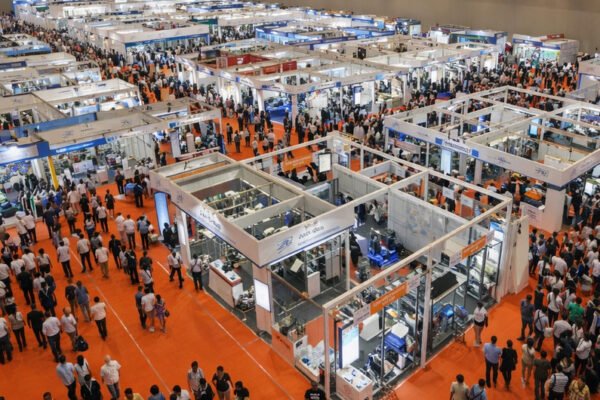
For professionals looking to stay updated on the latest advancements in industrial screening, powder processing, material handling, and process engineering, IPEC Expo , serves as a leading platform to explore innovative technologies, connect with industry experts, and discover solutions that are shaping the future of recycling and fine material separation.