


Smart Manufacturing in Agrochemicals: Why Automation Is No Longer Optional
India’s agrochemical industry is experiencing rapid growth, driven by increasing demand for crop protection chemicals, specialty fertilizers, and sustainable agricultural solutions. As manufacturers strive to meet rising domestic and global demand, they are also expected to maintain consistent product quality, comply with strict environmental and safety regulations, reduce production costs, and improve operational efficiency.
Meeting these expectations through conventional manufacturing methods is becoming increasingly challenging. This is where smart manufacturing is transforming the future of agrochemical production.
The Shift Towards Smarter Manufacturing
Modern agrochemical plants are no longer dependent solely on manual operations and scheduled maintenance. They are adopting digital technologies that provide real-time visibility into every stage of production, enabling faster and more informed decision-making.
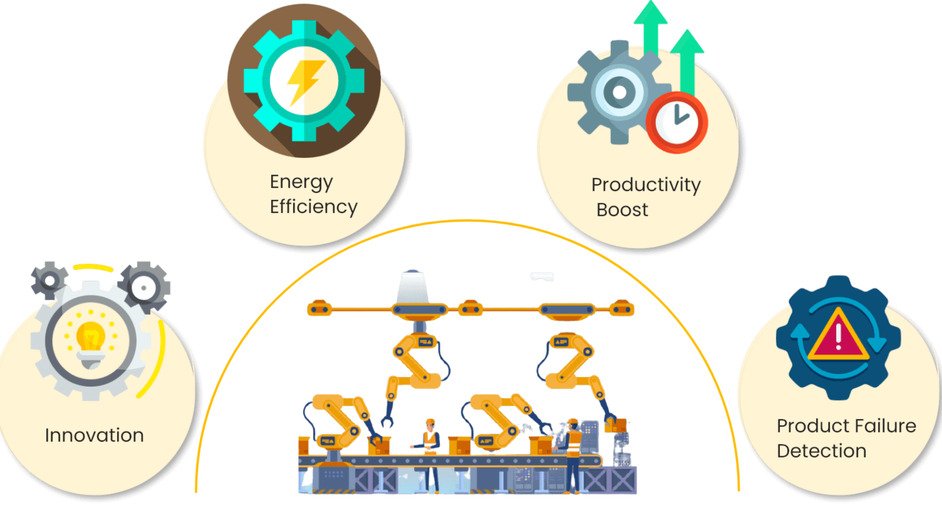
By integrating automation, intelligent process control, Industrial IoT (IIoT), AI-powered analytics, and predictive maintenance, manufacturers can significantly improve plant performance while minimizing downtime, reducing waste, and enhancing productivity.
Smart manufacturing isn’t just about replacing manual work—it is about building connected, data-driven operations that improve efficiency, reliability, and overall plant performance.
Why Automation Has Become Essential
1. Consistent Product Quality
Even small variations in formulation or processing conditions can affect product performance and customer satisfaction. Automated systems continuously monitor critical process parameters, ensuring every batch meets the required quality standards.
2. Improved Process Safety
Agrochemical manufacturing involves handling hazardous chemicals and operating complex process equipment. Automated monitoring systems help detect abnormalities early, reducing operational risks, improving workplace safety, and preventing costly shutdowns.
3. Higher Production Efficiency
Automation reduces manual intervention, minimizes production delays, and optimizes equipment utilization. This enables manufacturers to increase output while maintaining consistent quality and controlling operational costs.
4. Predictive Maintenance
Instead of waiting for equipment failures, smart sensors continuously monitor the health of pumps, valves, compressors, and motors. Maintenance teams receive alerts before failures occur, significantly reducing unplanned downtime and maintenance expenses.
5. Better Regulatory Compliance
With environmental and safety regulations becoming more stringent, automated data collection, digital documentation, and process monitoring simplify compliance while improving traceability across production processes.
Technologies Driving Smart Agrochemical Plants
Today’s leading manufacturers are investing in:
- Industrial Automation Systems
- PLC & SCADA-based Process Control
- Smart Sensors & IIoT Devices
- AI-based Process Analytics
- Digital Twins
- Robotics for Material Handling
- Intelligent Pumps & Valve Monitoring
- Energy Management Systems
- Predictive Maintenance Software
- Advanced Instrumentation & Control
Together, these technologies create highly connected manufacturing environments that operate more efficiently, safely, and sustainably.
Sustainability Through Automation
Automation also plays a vital role in helping agrochemical manufacturers achieve their sustainability goals.
Smart process control helps reduce:
- Energy consumption
- Water usage
- Raw material wastage
- Emissions
- Production losses
By optimizing resource utilization, manufacturers can lower operating costs while supporting environmental compliance and long-term sustainability initiatives.
The Competitive Advantage
Manufacturers investing in smart manufacturing are experiencing measurable improvements in operational performance. Benefits include higher productivity, better product consistency, faster production cycles, reduced maintenance costs, lower operational risks, improved asset utilization, and greater customer confidence.
As global competition continues to intensify, automation is no longer a competitive advantage—it has become a business necessity for manufacturers aiming to remain efficient and future-ready.
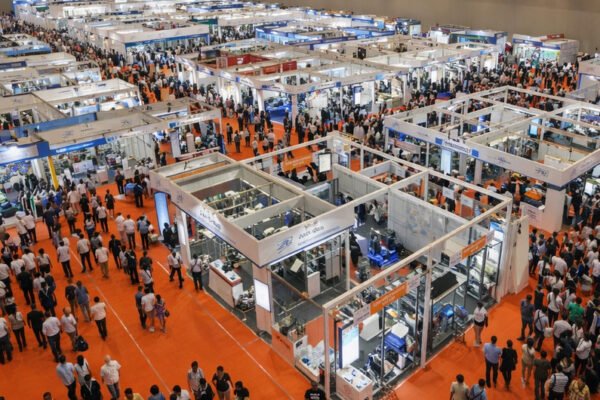
Discover the Future at IPEC 2026
The transition to smart manufacturing requires access to the right technologies, trusted solution providers, and valuable industry collaboration.
At IPEC 2026 – India Process Expo & Conference, agrochemical manufacturers can explore the latest advancements in:
- Process Automation
- Instrumentation & Control
- Pumps, Valves & Flow Solutions
- Material Handling Systems
- Industrial Safety Technologies
- Process Engineering Solutions
- AI & Digital Manufacturing
- Energy-Efficient Plant Technologies
Whether you’re planning a new manufacturing facility or modernizing an existing plant, IPEC 2026 offers an excellent opportunity to connect with technology providers, industry experts, and manufacturing leaders shaping the future of process industries.
The future of agrochemical manufacturing is smart, connected, and automated. The question is no longer if manufacturers should adopt automation—but how quickly they can implement it to stay competitive.
See the future of smart manufacturing in action at IPEC 2026.