


How Smart Steam Boilers Improve Efficiency in Process Industries
Steam is essential to modern manufacturing, powering heating, sterilization, chemical processing, and power generation. For decades, industrial steam boilers have been at the core of process industries, ensuring a steady supply of steam for uninterrupted operations. Today, digital transformation is redefining their role.
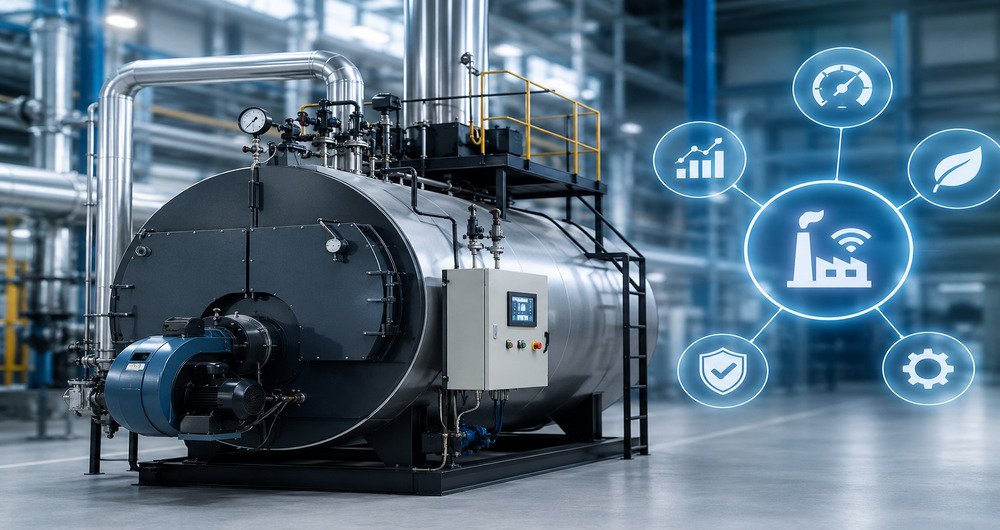
Smart steam boilers combine automation, IoT-enabled sensors, and real-time analytics to improve efficiency, enhance safety, and reduce operating costs. Instead of relying on manual inspections, these intelligent systems continuously monitor performance, helping industries optimize steam generation while supporting sustainability goals.
What Is a Smart Steam Boiler?
A smart steam boiler is an advanced boiler system equipped with intelligent controls that monitor and optimize operations automatically. Unlike conventional boilers, which depend on periodic inspections, smart boilers collect real-time data to maintain peak performance.
They track key parameters such as steam pressure, temperature, fuel consumption, water levels, combustion efficiency, and feedwater quality. This allows operators to identify inefficiencies, optimize fuel usage, and detect potential issues before they affect production.
Why Process Industries Are Adopting Smart Steam Boilers
Process industries depend on a steady supply of steam to maintain uninterrupted operations and consistent product quality. Even brief interruptions can lead to costly downtime and operational losses.
Conventional boilers typically follow fixed maintenance schedules, which may fail to identify hidden problems before they become serious. Smart steam boilers solve this challenge by providing continuous performance monitoring and instant alerts for abnormal operating conditions. This proactive approach minimizes unexpected breakdowns and improves equipment reliability.
Technologies Powering Smart Steam Boilers
Industrial IoT Sensors
Smart sensors monitor pressure, temperature, vibration, fuel flow, and water quality in real time, providing complete visibility into boiler performance.
Intelligent Automation
Automated control systems adjust burner settings, combustion, and steam pressure according to production demand, improving efficiency while reducing fuel consumption.
Remote Monitoring
Cloud-based platforms allow operators to monitor boiler performance from anywhere, making it easier to manage multiple facilities and respond quickly to issues.
Predictive Maintenance
Advanced analytics identify wear patterns and potential equipment failures before they occur, helping maintenance teams schedule repairs and avoid costly downtime.
Benefits of Smart Steam Boilers
Improved Energy Efficiency
Smart boilers optimize combustion and operating conditions to maximize thermal efficiency. Lower fuel consumption translates into reduced operating costs and improved sustainability.
Reduced Downtime
Continuous monitoring detects issues such as pressure fluctuations, burner instability, or scaling before they lead to equipment failure, ensuring uninterrupted production.
Better Steam Quality
Industries such as pharmaceuticals, food processing, and chemicals require stable steam quality. Smart control systems regulate pressure and temperature consistently to ensure stable and reliable manufacturing operations.
Enhanced Workplace Safety
Smart boilers continuously track key safety parameters and activate alarms or automatic shutdowns whenever unsafe conditions are detected, helping reduce operational risks.
Lower Environmental Impact
By improving combustion efficiency, boilers consume less fuel and generate fewer emissions. Many smart boiler systems also support low-emission technologies, helping industries meet environmental regulations.
Applications Across Process Industries
Smart steam boilers are widely used in:
- Chemical manufacturing
- Pharmaceutical production
- Food and beverage processing
- Textile manufacturing
- Paper and pulp industries
- Refineries and petrochemical plants
Across these sectors, they improve productivity, reduce maintenance costs, and ensure consistent steam generation.
Supporting Industry 4.0
Smart steam boilers are an integral part of Industry 4.0. They integrate with plant automation systems and centralized monitoring platforms, providing real-time operational insights that help manufacturers optimize energy use, improve equipment performance, and make faster, data-driven decisions.
The Future of Smart Steam Boilers
The next generation of smart boilers will leverage artificial intelligence, machine learning, and digital twin technology to further enhance performance and maintenance planning. They are also being developed to support cleaner fuels, including hydrogen blends, helping industries reduce carbon emissions and achieve sustainability goals.
Conclusion
Smart steam boilers are transforming process industries by combining automation, IoT connectivity, predictive maintenance, and real-time monitoring into a single intelligent solution. They deliver higher energy efficiency, improved reliability, enhanced safety, and lower operating costs compared to conventional systems.
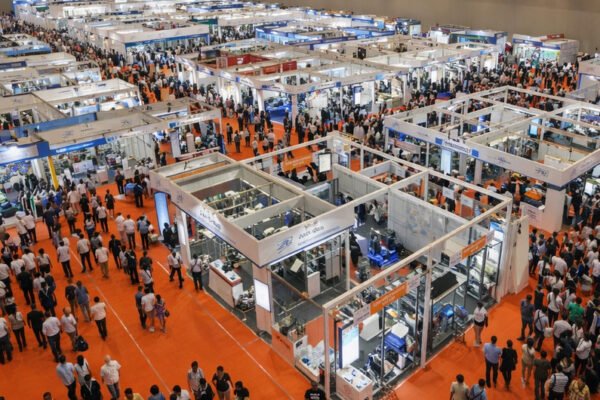
As manufacturers continue adopting digital technologies, smart steam boilers are becoming a strategic investment for improving productivity, reducing energy consumption, and building more sustainable, future-ready industrial operations. For businesses looking to stay ahead of these technological advancements, IPEC Expo (India Process Expo & Conference) serves as an ideal platform to discover innovative steam boiler technologies, connect with industry experts, and explore the latest solutions driving the future of process manufacturing.