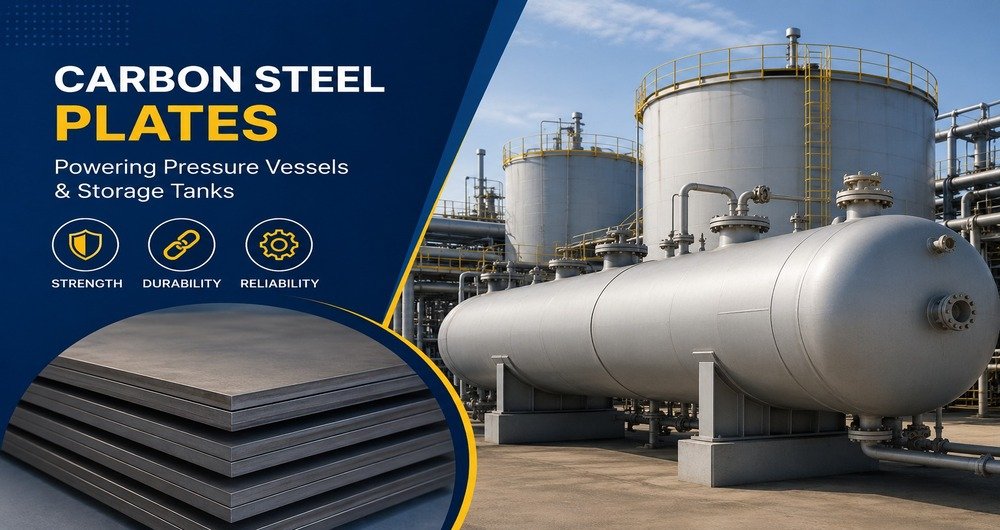
From storing millions of liters of fuel to safely containing high-pressure industrial processes, pressure vessels and storage tanks are among the most critical assets in modern industries. Whether it’s an oil refinery, chemical processing plant, power generation facility, or water treatment unit, the performance of these structures largely depends on the materials used in their construction.
One material that has consistently proven its value across industries is carbon steel plate. Known for its strength, durability, and cost-effectiveness, carbon steel remains the preferred choice for manufacturing pressure vessels and storage tanks. As industries continue to demand reliable and efficient equipment, carbon steel plates play a vital role in ensuring safety, operational efficiency, and long-term performance.
Why Carbon Steel Plates Are Widely Used
Industrial equipment is often exposed to heavy loads, fluctuating temperatures, and demanding operating conditions. Materials used in pressure vessels and tanks must be capable of handling these challenges without compromising structural integrity.
Carbon steel plates offer an ideal balance of mechanical strength, toughness, and ease of fabrication. Unlike many specialized alloys, they provide dependable performance while remaining economically viable for large-scale industrial projects.
Their versatility allows manufacturers to produce vessels and tanks in different sizes, thicknesses, and configurations, making them suitable for a wide range of applications.
The Importance of Carbon Steel Plates in Pressure Vessels
Pressure vessels are designed to contain gases or liquids at pressures significantly different from the surrounding environment. Because failure can have serious safety and operational consequences, material selection is one of the most important aspects of vessel design.
Exceptional Strength and Reliability
One of the primary reasons carbon steel plates are used in pressure vessels is their excellent strength. These plates can withstand substantial internal pressure and mechanical stress while maintaining structural stability over long periods.
Industries such as oil and gas, petrochemicals, power generation, and manufacturing rely on pressure vessels that operate continuously under demanding conditions. Carbon steel provides the reliability needed to support these critical operations.
Excellent Weldability
Pressure vessel fabrication involves extensive welding and forming processes. Carbon steel plates are known for their good weldability, allowing manufacturers to create strong and durable joints without excessive complexity.
This characteristic not only simplifies fabrication but also helps maintain the overall integrity of the vessel throughout its service life.
Cost-Effective Performance
While advanced alloys may be required for highly corrosive environments, carbon steel remains a practical and economical solution for many industrial applications. Its combination of performance and affordability makes it an attractive option for project owners seeking long-term value without excessive material costs.
Carbon Steel Plates in Storage Tank Construction
Storage tanks are used across industries to store water, chemicals, petroleum products, liquid fertilizers, and other industrial materials. These tanks often need to handle large volumes while maintaining safety and reliability for decades.
Supporting Large Capacities
One of the biggest advantages of carbon steel plates is their ability to support significant structural loads. Large storage tanks require materials capable of bearing the weight of stored contents without deformation.
Carbon steel’s strength makes it ideal for constructing tanks ranging from small industrial units to massive storage facilities used in refineries and processing plants.
Flexibility in Design and Fabrication
Every industry has unique storage requirements. Some tanks are designed for liquids, while others handle gases or specialized chemicals. Carbon steel plates can be easily cut, rolled, welded, and formed into customized shapes and sizes.
This flexibility allows engineers and fabricators to design storage solutions that meet specific operational needs while maintaining efficiency during production.
Long-Term Durability
When combined with protective coatings and proper maintenance practices, carbon steel storage tanks can deliver reliable service for many years. Their durability helps reduce replacement costs and minimize operational disruptions, making them a preferred choice for industrial facilities worldwide.
Industries That Depend on Carbon Steel Plates
The demand for carbon steel plates continues to grow because they serve a wide variety of industries. Some of the major sectors that rely on pressure vessels and storage tanks made from carbon steel include:
- Oil and gas
- Chemical processing
- Petrochemical manufacturing
- Power generation
- Water and wastewater treatment
- Food processing
- Fertilizer production
- Pharmaceutical manufacturing
In these industries, carbon steel plates are commonly used to manufacture reactors, separators, boilers, storage tanks, heat exchangers, and pressure vessels that support daily operations.
Choosing Quality Materials Matters
While carbon steel offers numerous advantages, the quality of the plate itself plays a major role in the performance of the finished equipment. Factors such as material grade, manufacturing standards, testing procedures, and certifications must be carefully considered during procurement.
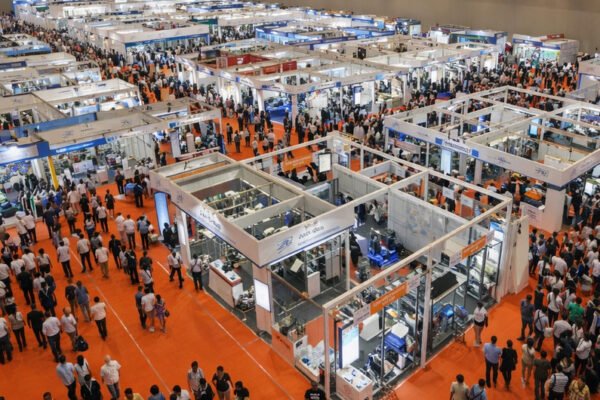
Working with trusted suppliers helps ensure that pressure vessels and storage tanks meet industry requirements and deliver consistent performance throughout their lifecycle. Companies like Duplex Metal Industries, an exhibitor at IPEC Expo, contribute to the industrial supply chain by providing high-quality metal products that support engineering and manufacturing excellence.
Conclusion
Pressure vessels and storage tanks are the backbone of countless industrial operations, and their success depends heavily on the materials used to build them. Carbon steel plates continue to be the preferred choice because they offer the perfect combination of strength, weldability, durability, and cost-effectiveness.
As industries focus on improving efficiency, safety, and sustainability, carbon steel plates will remain a crucial material for building reliable storage and processing infrastructure. Their proven performance across diverse applications ensures they will continue to play a key role in the future of industrial manufacturing and process engineering.